
Automated packaging and labeling machines have become essential tools for businesses seeking speed, accuracy, and efficiency. These systems streamline tasks like filling, sealing, and labeling while reducing labor costs and errors. Whether you’re in food, pharmaceuticals, or consumer goods, investing in automation ensures consistent product quality, compliance, and the flexibility to meet growing market demands with confidence.
The Importance of High-Quality Packaging Machines For Your Business
Packaging machinery is no longer a luxury but an essential tool for modern businesses. Across industries, companies depend on precision, speed, and efficiency, with packaging systems driving both product presentation and operational success. From startups to global manufacturers, the right equipment safeguards products, improves branding, and streamlines production.
Investing in high-quality packaging machines allows businesses to meet output demands while maintaining top standards for appearance, durability, and compliance—factors that are critical to thriving in the competitive world of industrial packaging.
How to Identify a High-Quality Packaging Machine
A reliable packaging machine must be durable, efficient, and aligned with your product needs. Look for adjustable speed, automation options, safety features, and easy maintenance. Compatibility with materials and scalability are also vital. Reputable manufacturers back their machines with warranties, training, and support. Checking reviews and case studies offers insight into real-world performance.
Key Benefits of Using High-Quality Packaging Machines

Enhanced Product Protection
Machines with precise wrapping and sealing minimize product damage, which is crucial for fragile or perishable items. This reduces returns and increases customer satisfaction.
Improved Efficiency and Productivity
Automation ensures consistent results and quicker turnaround times, allowing teams to focus on logistics, marketing, and customer service.
Better Branding and Customer Experience
Accurate labeling and clean finishes improve unboxing experiences, reinforcing brand trust and recognition.
Cost Savings Over Time
Although premium machines have higher upfront costs, they reduce waste, labor expenses, and breakdowns—delivering long-term savings and faster ROI.
Common Types of Packaging Machines Used in the Industry
- Wrapping Machines: Seal or bundle products with protective film.
- Labeling Machines: Apply branding or compliance labels quickly.
- Data Degaussers: Erase magnetic storage securely.
- Flash Memory Duplicators: Copy SD cards in bulk.
- USB Duplicators: Replicate drives for education, tech, and marketing.
- HDD/SSD Duplicators: Used for imaging drives in IT and forensics.
- Supplies and Media: Includes consumables like film, labels, and memory devices.
How to Choose the Right Packaging Machine for Your Business
Before investing, evaluate:
- Production volume: Continuous vs. occasional runs.
- Product dimensions: Fit for various sizes and shapes.
- Industry compliance: Tamper seals or labeling needs.
- Future growth: Capacity to scale with demand.
Consulting with specialists helps match machine features to long-term business goals.

Understanding Different Types of Labeling Machines and Their Applications
In today’s fast-paced production environments, efficiency and precision are everything. Labeling is a critical step in packaging, and with advancements in automation, businesses now rely heavily on automatic labeling to enhance productivity, reduce errors, and meet regulatory compliance.
Whether you’re in food and beverage, pharmaceuticals, cosmetics, or logistics, understanding the different types of labeling machines and their applications can help streamline your operations.
What Is Automatic Labeling?
Automatic labeling is the use of machines to apply labels on products, packaging, or containers instead of relying on manual labor. These systems are designed to maximize speed, accuracy, and consistency, with the flexibility to label the front, back, top, bottom, or wrap-around surfaces depending on configuration.
Key advantages of automatic labeling include:
- Faster production and higher throughput
- Reduced errors and less rework
- Reliable, consistent label placement
- Compatibility with various sizes and materials
- Seamless integration with coding, inspection, and packaging lines
By eliminating manual steps, businesses benefit from more efficient production and improved product presentation.
Key Types of Labeling Machines
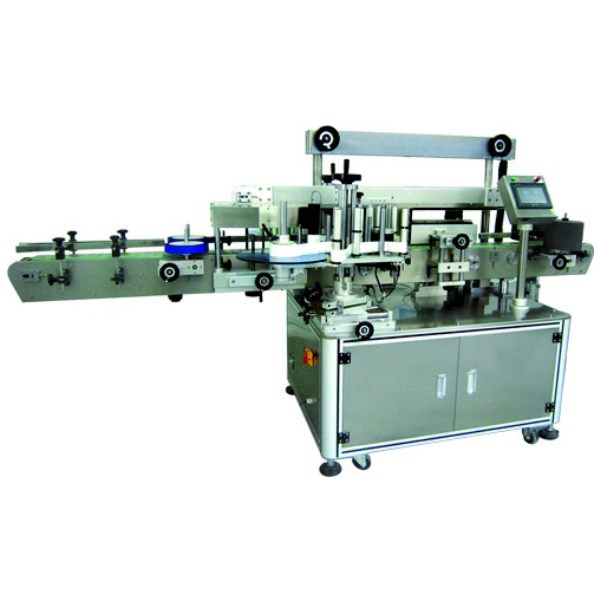
Wrap-Around Labeling Machines
Designed for cylindrical products like jars, bottles, and cans, these machines wrap labels fully or partially around the container. They are commonly used in beverages, cosmetics, and chemical industries.
Front and Back Labelers
These machines handle flat or oval containers, applying branding to the front and regulatory details to the back at the same time.
Top Labeling Machines
Perfect for applying labels to the top surface of food packaging, pharmaceutical cartons, or baked goods containers.
Bottom and Top/Bottom Labelers
Used when products require labels underneath or on both sides, such as meal trays or retail packaging.
Print and Apply Labeling Machines
These combine printing and application, generating barcodes, lot codes, or expiration dates immediately before labeling. They are essential for logistics, warehousing, and pharmaceutical traceability.
Custom and Modular Solutions
Solstice Inc. also provides tailored labeling systems integrated with conveyors, fillers, or inspection machines—ideal for businesses with unique automation requirements.
How to Choose the Right Labeling Machine for Your Application
The right machine depends on your production line’s requirements. Consider:
- Product shape and size: Round, flat, or irregular forms require different configurations.
- Label placement: Whether front, back, wrap-around, top, or bottom.
- Speed requirements: Match machine capacity with production volume.
- Accuracy standards: Industries like pharmaceuticals need extremely precise labeling.
- Integration needs: Ensure compatibility with conveyors, fillers, or printing systems.
By evaluating these factors, businesses can select a solution that maximizes efficiency, meets compliance standards, and supports future growth.

Choosing the Right Automated Printing and Labeling Machine for Your Needs
In the fast-paced manufacturing world, automated printing and labeling machines are pivotal in enhancing operational efficiency and precision. With the advent of packaging automation technology, businesses are equipped to increase productivity, reduce costs, and ensure high-quality outputs.
Understanding Automated Printing and Labeling Machines
Automated packaging has transformed product preparation by integrating advanced technologies that ensure accuracy, speed, and consistency. These systems are essential for businesses aiming to boost throughput, maintain branding standards, and reduce errors across labeling and packaging tasks.
What Are Automated Printing and Labeling Machines?
These machines automate label application for various packages, ranging from compact units for small operations to advanced systems for high-volume production. Features often include programmable interfaces, real-time adjustments, and seamless integration with other production equipment.
Key Benefits of Automation in Labeling and Printing
Increased Efficiency
Machines maintain consistent speeds unaffected by fatigue, enabling higher production rates.
Accuracy and Consistency
Automated systems deliver precise label placement, critical for branding and regulatory compliance.
Cost Reduction
Though requiring upfront investment, automation reduces manual labor and long-term operating costs.
Flexibility
Modern machines accommodate diverse label sizes, designs, and quick product updates.
Common Industries That Require Automated Labeling Solutions
- Pharmaceuticals: Ensure compliance and safety.
- Food and Beverage: Manage high output and rapid turnaround.
- Cosmetics: Provide precision for visual appeal.
- Logistics: Enable efficient tracking and handling.
Factors to Consider When Selecting a Printing and Labeling Machine
Production Volume and Speed Requirements
Choose a machine aligned with current and future demand. High-speed systems are ideal for large-scale output.
Compatibility with Different Label Materials and Surfaces
Machines must handle paper, foil, plastic, and various product textures to ensure adhesion and durability.
Integration with Existing Packaging and Automation Systems
Systems should work seamlessly with conveyors, fillers, and inspection stations to prevent workflow bottlenecks.
Finding the Best Supplier for Automated Labeling Solutions
Evaluating Machine Quality, Reliability, and Support
A reliable supplier offers more than equipment—they provide training, technical support, and maintenance for long-term success.
Comparing Costs and Long-Term ROI
Weigh maintenance, energy use, and productivity improvements to calculate the real value of your investment.
Why Choose Solstice Technology for Your Printing and Labeling Needs?
Solstice Technology delivers innovative, precise, and scalable labeling systems built for modern production environments. Our solutions ensure reliability and efficiency, helping businesses achieve consistent results and long-term growth.
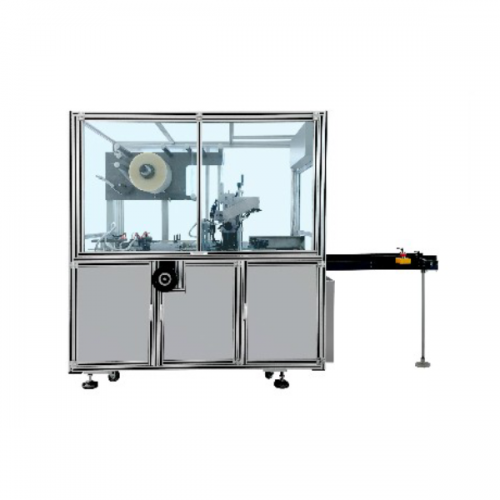
Boosting Efficiency with Overwrapping and Labeling Solutions
Businesses across industries are under constant pressure to boost efficiency while preserving packaging quality. Overwrapping machines have become a proven solution, offering automated wrapping and labeling processes that simplify operations. By cutting labor costs and ensuring consistent results, these systems are reshaping packaging standards worldwide.
Understanding Overwrapping and Labeling in Modern Packaging
Overwrapping and labeling play a central role in packaging efficiency and presentation. Overwrapping uses protective film—such as plastic or paper—to shield products during storage and transport, while labeling provides essential information and branding. Together, they create a streamlined process that improves speed, consistency, and compliance across industries.
What Is Overwrapping and How Does It Work?
Overwrapping involves using machines that wrap products with film at high speeds, reducing manual work and enhancing precision. Products move along a conveyor belt, where the film is sealed by heat or adhesive. This process enables businesses to package hundreds or thousands of units per hour, making it indispensable for large-scale manufacturing. Industries use it to protect items and optimize productivity while keeping packaging uniform and professional.
The Role of Labeling in Streamlined Packaging Processes
Labeling ensures each package includes brand details, barcodes, ingredients, or expiration dates. When integrated with overwrapping, automatic labeling systems improve accuracy and reduce labor. This automation allows companies to meet compliance requirements, boost efficiency, and provide consistent, customer-ready products.
Key Industries That Benefit from Automated Overwrapping and Labeling
- Food Industry: Maintains freshness, hygiene, and regulatory standards.
- Pharmaceuticals: Ensures tamper-evident packaging and product integrity.
- Cosmetics: Combines protection with an attractive, professional finish.
- Retail: Enhances shelf presentation, giving brands a competitive edge.
These industries rely on the speed and precision of automated systems to meet demand while reducing errors.
How Overwrapping and Labeling Solutions Improve Efficiency
Reducing Packaging Time with Automation
Automatic overwrapping machines drastically reduce manual packaging times. By wrapping products quickly and with minimal oversight, businesses increase output while lowering labor costs and keeping up with high-demand cycles.
Enhancing Product Presentation and Protection
Overwrapping ensures products look polished and professional. The protective film also shields items from dirt, moisture, and impact, preserving quality throughout transport and storage.
Meeting Compliance and Branding Requirements with Precision Labeling
Automatic labeling guarantees accurate placement of required details, from batch numbers to expiration dates. This not only meets legal requirements but also strengthens brand recognition and consumer trust.
Choosing the Right Overwrapping and Labeling Equipment
Factors to Consider When Selecting Packaging Machinery
- Product Type and Size: Ensure compatibility with your product’s shape and dimensions.
- Production Volume: Match machine speed and durability to output demands.
- Film Type: Verify support for clear, printed, or tamper-evident films.
- Automation Level: Select manual, semi-automatic, or fully automated solutions depending on your needs.
Evaluating these factors ensures businesses invest in systems that maximize efficiency and meet long-term goals.
Comparing Manual, Semi-Automatic, and Fully Automated Solutions
- Manual Solutions: Labor-intensive, slower, and suited for small-scale operations.
- Semi-Automatic Solutions: Require some human input but are faster and better for medium-scale production.
- Fully Automated Solutions: Offer maximum efficiency and precision, designed for continuous, high-volume packaging.
By weighing each option, businesses can identify the most cost-effective solution tailored to their production scale.
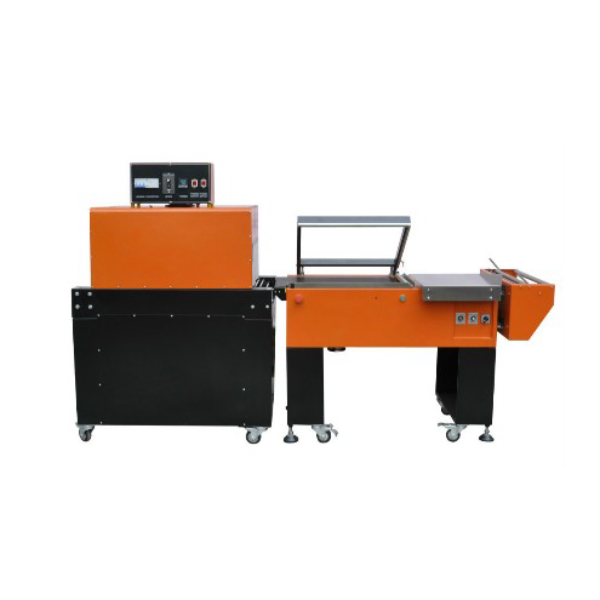
Automated Packaging Solutions: Optimizing Your Packaging Line for Unmatched Efficiency
Automated packaging solutions are revolutionizing the way businesses approach production, helping companies maximize output while maintaining exceptional quality standards. Whether you run a small business or manage a large-scale operation, implementing the right automation technology can transform your workflow.
What Are Automated Packaging Solutions?
Automated packaging solutions are systems designed to perform packaging tasks such as filling, sealing, labeling, and palletizing with minimal human input. These solutions range from semi-automated machines to fully integrated lines capable of handling complex processes. By automating packaging operations, businesses can speed up production, reduce errors, and simplify labor-intensive tasks—resulting in greater efficiency and optimized workflows.
Why Automated Packaging Solutions Are Transforming Industries
Sectors like food and beverage, pharmaceuticals, consumer goods, and manufacturing are rapidly adopting automation. With rising labor costs and growing consumer expectations, automation enables companies to stay competitive by delivering faster, consistent, and high-quality packaging. Automation also provides flexibility to respond quickly to changing market demands, making it a vital investment for long-term growth.
Benefits of Automated Packaging Solutions
Increased Efficiency and Throughput
Automated systems operate continuously with little downtime, producing more output than manual methods. This helps businesses meet larger orders, shorten lead times, and maintain reliable delivery schedules.
Enhanced Accuracy and Consistency
Automation ensures precise, repeatable actions such as filling, sealing, or labeling. Reduced human error leads to uniform product presentation, fewer recalls, and stronger brand trust.
Cost Savings and Waste Reduction
Although automation requires upfront investment, long-term returns include reduced labor costs, minimized waste, and lower energy use. Packaging line optimization further cuts inefficiencies, helping companies achieve better profitability.
Overcoming Common Challenges in Automation & Optimization
Transitioning to automation comes with hurdles, such as integrating equipment with existing lines, training staff, and managing investment costs. Success depends on careful planning, selecting appropriate technology, and ongoing support. Partnering with experts in automated packaging ensures smoother implementation, maximizes ROI, and reduces risks of disruption.
Driving Efficiency Through Packaging Automation
Automated packaging solutions empower businesses to streamline production, reduce costs, and deliver consistent, high-quality results. By integrating automation into packaging lines, companies can enhance efficiency, meet market demands, and strengthen brand reliability. Investing in the right systems ensures long-term growth, operational resilience, and a competitive edge in today’s fast-moving industries.